

Arduino Quick Start
2. Devices & Examples
3. M5Unified
4. M5GFX
5. Extensions
Unit
Module
Atomic
Tab5
IoT
Accessories
Chain Mono Tutorial
1. Preparation
Environment setup: Refer to the Arduino IDE Getting Started Tutorial to complete IDE installation, then install the corresponding board manager and required driver libraries according to the development board you are using.
Driver libraries used:
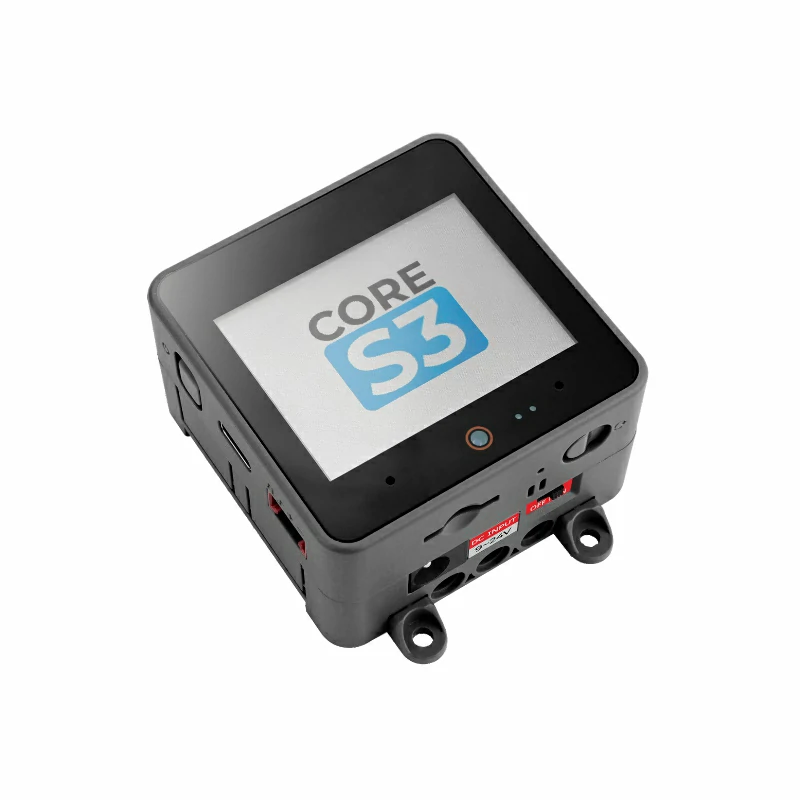
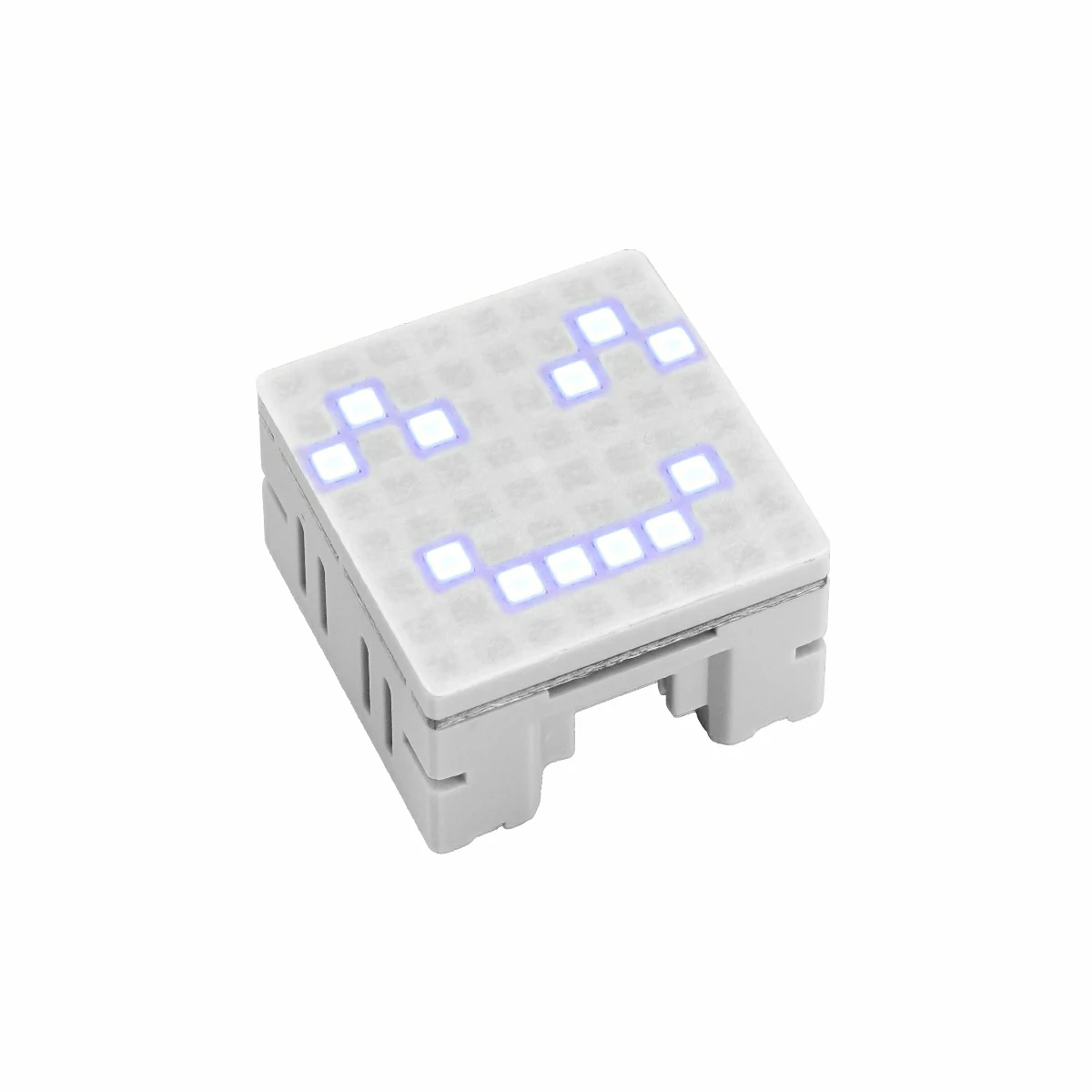
Hardware products used:
2. Example Programs
Compilation Requirements
M5Stack board manager version >= 3.2.4
M5Chain library version >= 1.0.4
M5Chain library version >= 1.0.4
Pixel Mode
Single Pixel Control and Batch Write
cpp
1 2 3 4 5 6 7 8 9 10 11 12 13 14 15 16 17 18 19 20 21 22 23 24 25 26 27 28 29 30 31 32 33 34 35 36 37 38 39 40 41 42 43 44 45 46 47 48 49 50 51 52 53 54 55 56 57 58 59 60 61 62 63 64 65 66 67 68 69 70 71 72 73 74 75 76 77 78 79 80 81 82 83 84 85 86 87 88 89 90 91 92 93 94 95 96 97 98 99 100 101 102 103 104 105 106 107 108 109 110 111 112 113 114 115 116 117 118 119 120 121 122 123 124 125 126 127 128 129 130 131 132 133 134 135 136 137 138 139 140 141 142 143
#include "M5Chain.h"
#include "M5Unified.h"

#define TXD_PIN GPIO_NUM_2
#define RXD_PIN GPIO_NUM_1

Chain M5Chain;

chain_status_t chain_status = CHAIN_OK;
uint8_t mono_id          = 0;
uint8_t operation_status = 0;

bool findFirstMonoDevice()
{
    // Enumerate devices and use the first Mono node
    uint16_t device_nums = 0;
    if (M5Chain.getDeviceNum(&device_nums) != CHAIN_OK || device_nums == 0) {
        Serial.println("No Chain devices found");
        return false;
    }

    device_info_t *infos = (device_info_t *)malloc(sizeof(device_info_t) * device_nums);
    if (infos == nullptr) {
        return false;
    }

    device_list_t devices;
    devices.count   = device_nums;
    devices.devices = infos;

    bool found = false;
    if (M5Chain.getDeviceList(&devices)) {
        for (uint8_t i = 0; i < devices.count; i++) {
            if (devices.devices[i].device_type == CHAIN_MONO_TYPE_CODE) {
                mono_id = devices.devices[i].id;
                found   = true;
                break;
            }
        }
    }

    free(infos);
    if (found) {
        Serial.printf("Mono device found, id=%d\r\n", mono_id);
    } else {
        Serial.println("No Mono device found");
    }
    return found;
}

bool prepareMono()
{
    // Initialize display mode, rotation, and brightness
    if (!findFirstMonoDevice()) {
        return false;
    }

    if (M5Chain.setMonoMode(mono_id, MONO_PIXEL_MODE, &operation_status) != CHAIN_OK || operation_status != 1) {
        return false;
    }

    M5Chain.setMonoRotation(mono_id, MONO_ROTATION_0, &operation_status);
    M5Chain.setMonoBrightness(mono_id, MONO_BRIGHTNESS_LEVEL_7, &operation_status);
    M5Chain.setMonoClear(mono_id, &operation_status);
    return true;
}

void setup()
{
    M5.begin();
    Serial.begin(115200);
    Serial.println("Pixel demo");
    M5Chain.begin(&Serial2, 115200, RXD_PIN, TXD_PIN);

    if (!prepareMono()) {
        Serial.println("Chain Mono init failed");
        while (1) {
            delay(100);
        }
    } else {
        Serial.println("Chain Mono init success");
    }
}

void loop()
{
    static bool single_phase = true;
    static uint8_t single_x  = 0;
    static uint8_t single_y  = 0;
    static uint8_t block_x   = 0;
    static uint8_t block_y   = 4;

    if (single_phase) {
        // Walk through the first 4 rows with a single pixel
        M5Chain.setMonoClear(mono_id, &operation_status);
        chain_status = M5Chain.setMonoPixel(mono_id, single_x, single_y, true, &operation_status);
        if (chain_status == CHAIN_OK && operation_status == 1) {
            Serial.printf("Single pixel on: x=%d, y=%d\r\n", single_x, single_y);
        }

        delay(200);

        single_x++;
        if (single_x >= 8) {
            single_x = 0;
            single_y++;
        }

        if (single_y >= 4) {
            single_phase = false;
            block_x      = 0;
            block_y      = 4;
        }
    } else {
        // Walk through the last 4 rows with a 2x2 block
        MonoPixelInfo pixels[] = {
            {block_x, block_y, true},
            {(uint8_t)(block_x + 1), block_y, true},
            {block_x, (uint8_t)(block_y + 1), true},
            {(uint8_t)(block_x + 1), (uint8_t)(block_y + 1), true}};

        M5Chain.setMonoClear(mono_id, &operation_status);
        chain_status = M5Chain.setMonoPixel(mono_id, pixels, sizeof(pixels) / sizeof(pixels[0]), &operation_status);
        if (chain_status == CHAIN_OK && operation_status == 1) {
            Serial.printf("Block on: (%d,%d) (%d,%d) (%d,%d) (%d,%d)\r\n", pixels[0].x, pixels[0].y, pixels[1].x,
                          pixels[1].y, pixels[2].x, pixels[2].y, pixels[3].x, pixels[3].y);
        }

        delay(200);

        block_x++;
        if (block_x >= 7) {
            block_x = 0;
            block_y += 2;
        }

        if (block_y >= 8) {
            single_phase = true;
            single_x     = 0;
            single_y     = 0;
        }
    }
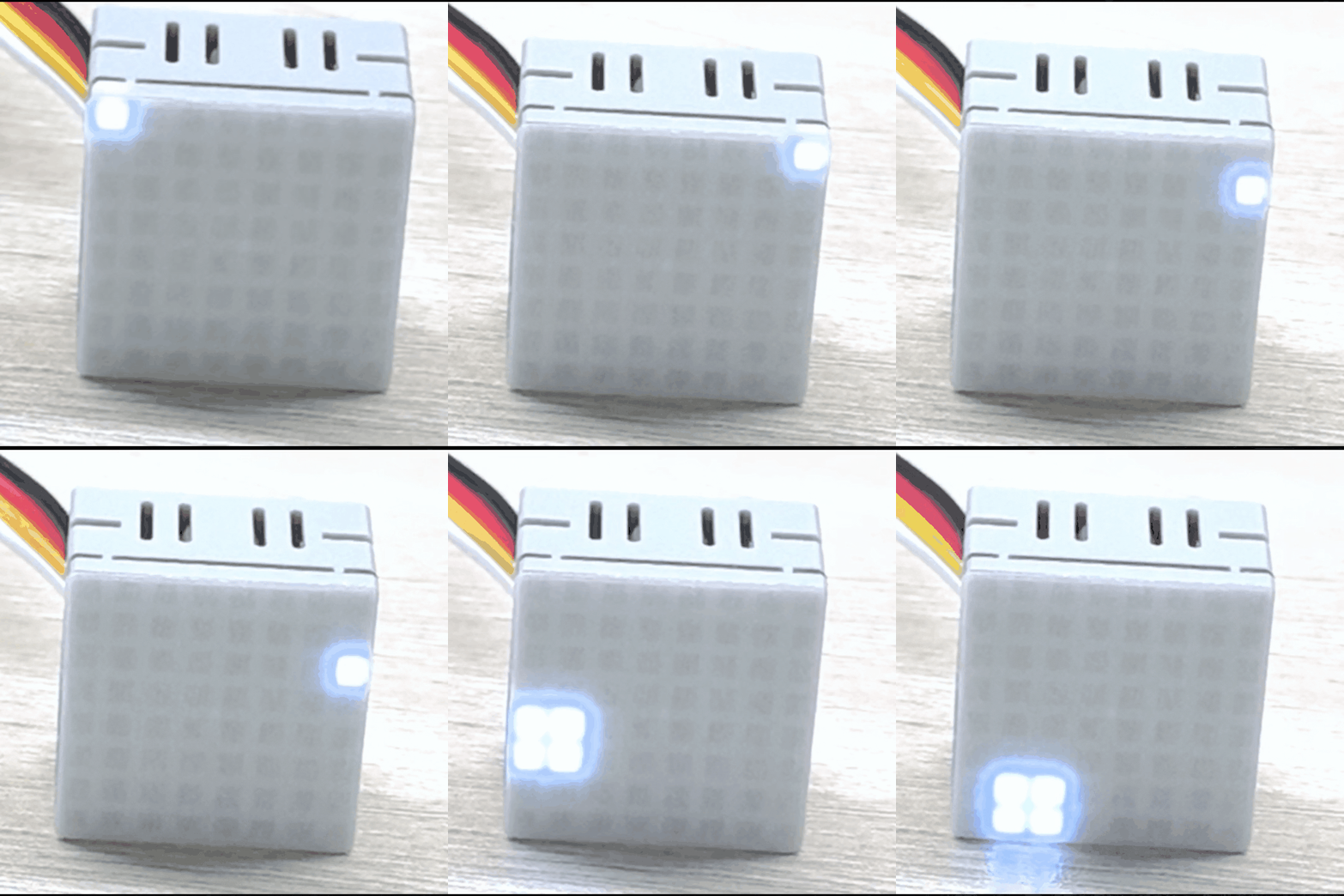
}The example effect is as follows:
Character Display
cpp
1 2 3 4 5 6 7 8 9 10 11 12 13 14 15 16 17 18 19 20 21 22 23 24 25 26 27 28 29 30 31 32 33 34 35 36 37 38 39 40 41 42 43 44 45 46 47 48 49 50 51 52 53 54 55 56 57 58 59 60 61 62 63 64 65 66 67 68 69 70 71 72 73 74 75 76 77 78 79 80 81 82 83 84 85 86 87 88 89 90 91 92 93 94 95 96 97 98 99 100
#include "M5Chain.h"
#include "M5Unified.h"

#define TXD_PIN GPIO_NUM_2
#define RXD_PIN GPIO_NUM_1

Chain M5Chain;

uint8_t mono_id          = 0;
uint8_t operation_status = 0;
const char text[]        = "I'mChainMono";

bool findFirstMonoDevice()
{
    // Enumerate devices and use the first Mono node
    uint16_t device_nums = 0;
    if (M5Chain.getDeviceNum(&device_nums) != CHAIN_OK || device_nums == 0) {
        Serial.println("No Chain devices found");
        return false;
    }

    device_info_t *infos = (device_info_t *)malloc(sizeof(device_info_t) * device_nums);
    if (infos == nullptr) {
        return false;
    }

    device_list_t devices;
    devices.count   = device_nums;
    devices.devices = infos;

    bool found = false;
    if (M5Chain.getDeviceList(&devices)) {
        for (uint8_t i = 0; i < devices.count; i++) {
            if (devices.devices[i].device_type == CHAIN_MONO_TYPE_CODE) {
                mono_id = devices.devices[i].id;
                found   = true;
                break;
            }
        }
    }

    free(infos);
    if (found) {
        Serial.printf("Mono device found, id=%d\r\n", mono_id);
    } else {
        Serial.println("No Mono device found");
    }
    return found;
}

bool prepareMono()
{
    // Initialize display mode, rotation, and brightness
    if (!findFirstMonoDevice()) {
        return false;
    }

    if (M5Chain.setMonoMode(mono_id, MONO_PIXEL_MODE, &operation_status) != CHAIN_OK || operation_status != 1) {
        return false;
    }

    M5Chain.setMonoRotation(mono_id, MONO_ROTATION_0, &operation_status);
    M5Chain.setMonoBrightness(mono_id, MONO_BRIGHTNESS_LEVEL_7, &operation_status);
    M5Chain.setMonoClear(mono_id, &operation_status);
    return true;
}

void setup()
{
    M5.begin();
    Serial.begin(115200);
    Serial.println("Character display demo");
    M5Chain.begin(&Serial2, 115200, RXD_PIN, TXD_PIN);

    if (!prepareMono()) {
        Serial.println("Chain Mono init failed");
        while (1) {
            delay(100);
        }
    } else {
        Serial.println("Chain Mono init success");
    }
}

void loop()
{
    static uint8_t index = 0;

    // Show characters one by one from the array
    M5Chain.setMonoClear(mono_id, &operation_status);
    M5Chain.setMonoPrintChar(mono_id, text[index], 1, 1, &operation_status);
    Serial.printf("Character shown: %c\r\n", text[index]);

    delay(400);

    index++;
    if (index >= sizeof(text) - 1) {
        index = 0;
    }
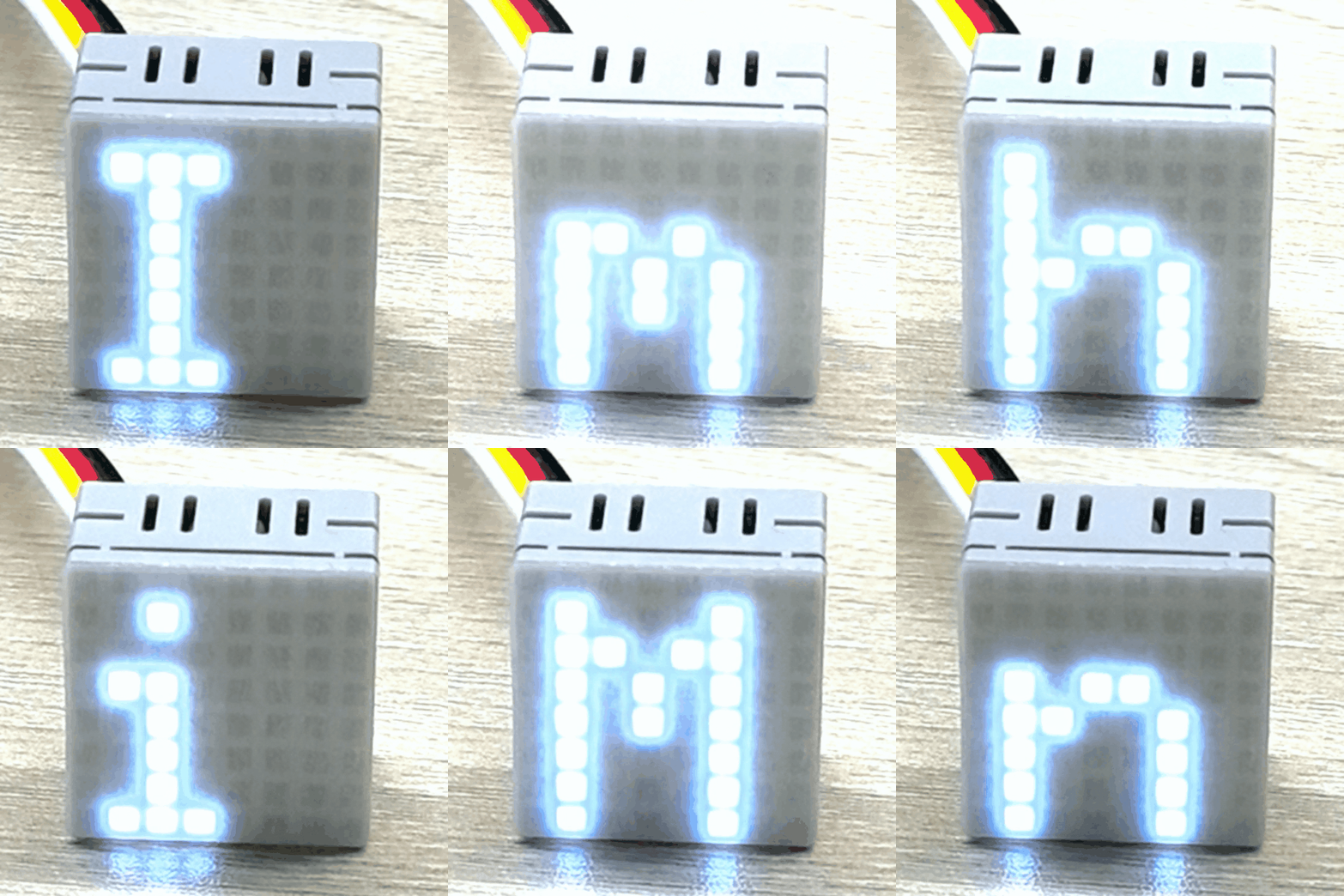
}The example effect is as follows:
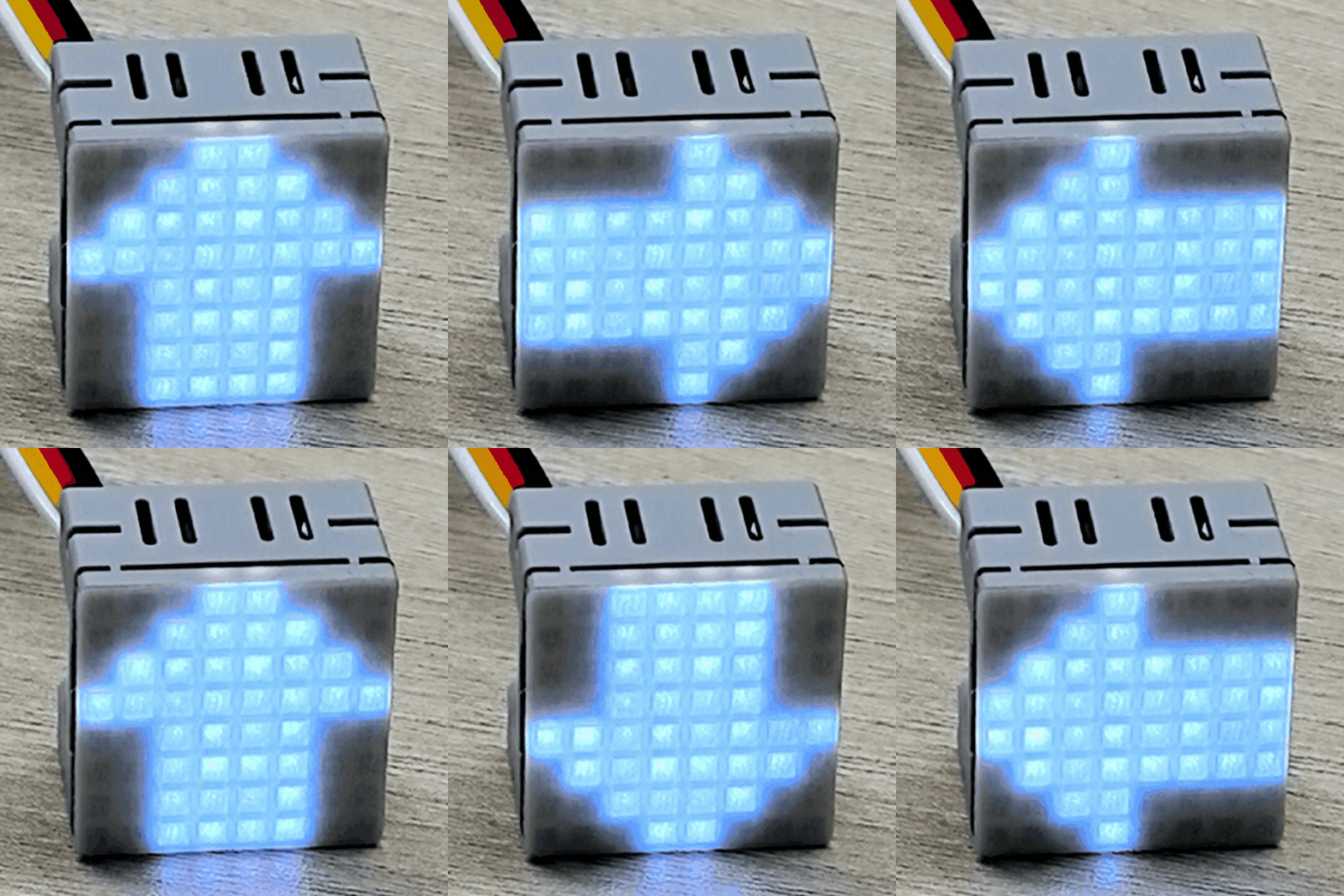
Custom Pattern Display and Rotation
Note
Rotation here means setting the display orientation before drawing. After it is set, subsequent drawing operations are displayed relative to that orientation; it does not directly rotate already drawn display content.
cpp
1 2 3 4 5 6 7 8 9 10 11 12 13 14 15 16 17 18 19 20 21 22 23 24 25 26 27 28 29 30 31 32 33 34 35 36 37 38 39 40 41 42 43 44 45 46 47 48 49 50 51 52 53 54 55 56 57 58 59 60 61 62 63 64 65 66 67 68 69 70 71 72 73 74 75 76 77 78 79 80 81 82 83 84 85 86 87 88 89 90 91 92 93 94 95 96 97 98 99 100 101 102 103 104
#include "M5Chain.h"
#include "M5Unified.h"

#define TXD_PIN GPIO_NUM_2
#define RXD_PIN GPIO_NUM_1

Chain M5Chain;

uint8_t mono_id          = 0;
uint8_t operation_status = 0;

// 8x8 arrow pattern
uint8_t arrow[8] = {
    0b00011000,  //    ■■
    0b00111100,  //   ■■■■
    0b01111110,  //  ■■■■■■
    0b11111111,  // ■■■■■■■■
    0b00111100,  //   ■■■■
    0b00111100,  //   ■■■■
    0b00111100,  //   ■■■■
    0b00111100   //   ■■■■
};

bool findFirstMonoDevice()
{
    // Enumerate devices and use the first Mono node
    uint16_t device_nums = 0;
    if (M5Chain.getDeviceNum(&device_nums) != CHAIN_OK || device_nums == 0) {
        Serial.println("No Chain devices found");
        return false;
    }

    device_info_t *infos = (device_info_t *)malloc(sizeof(device_info_t) * device_nums);
    if (infos == nullptr) {
        return false;
    }

    device_list_t devices;
    devices.count   = device_nums;
    devices.devices = infos;

    bool found = false;
    if (M5Chain.getDeviceList(&devices)) {
        for (uint8_t i = 0; i < devices.count; i++) {
            if (devices.devices[i].device_type == CHAIN_MONO_TYPE_CODE) {
                mono_id = devices.devices[i].id;
                found   = true;
                break;
            }
        }
    }

    free(infos);
    if (found) {
        Serial.printf("Mono device found, id=%d\r\n", mono_id);
    } else {
        Serial.println("No Mono device found");
    }
    return found;
}

bool prepareMono()
{
    // Initialize pixel mode and brightness
    if (!findFirstMonoDevice()) {
        return false;
    }

    if (M5Chain.setMonoMode(mono_id, MONO_PIXEL_MODE, &operation_status) != CHAIN_OK || operation_status != 1) {
        return false;
    }

    M5Chain.setMonoBrightness(mono_id, MONO_BRIGHTNESS_LEVEL_7, &operation_status);
    M5Chain.setMonoClear(mono_id, &operation_status);
    return true;
}

void setup()
{
    M5.begin();
    Serial.begin(115200);
    Serial.println("Custom pattern rotation demo");
    M5Chain.begin(&Serial2, 115200, RXD_PIN, TXD_PIN);

    if (!prepareMono()) {
        Serial.println("Chain Mono init failed");
        while (1) {
            delay(100);
        }
    } else {
        Serial.println("Chain Mono init success");
    }
}

void loop()
{
    // Rotate through 0/90/180/270 degree display states
    for (uint8_t rotation = MONO_ROTATION_0; rotation <= MONO_ROTATION_270; rotation++) {
        M5Chain.setMonoRotation(mono_id, (mono_rotation_t)rotation, &operation_status);
        M5Chain.setMonoBufferRefresh(mono_id, arrow, &operation_status);
        Serial.printf("Rotation set to: %d°\r\n", rotation*90);
        delay(800);
    }
}The example effect is as follows:
String Scroll Mode
cpp
1 2 3 4 5 6 7 8 9 10 11 12 13 14 15 16 17 18 19 20 21 22 23 24 25 26 27 28 29 30 31 32 33 34 35 36 37 38 39 40 41 42 43 44 45 46 47 48 49 50 51 52 53 54 55 56 57 58 59 60 61 62 63 64 65 66 67 68 69 70 71 72 73 74 75 76 77 78 79 80 81 82 83 84 85 86 87 88 89 90 91 92 93 94 95
#include "M5Chain.h"
#include "M5Unified.h"

#define TXD_PIN GPIO_NUM_2
#define RXD_PIN GPIO_NUM_1

Chain M5Chain;

chain_status_t chain_status = CHAIN_OK;
uint8_t mono_id          = 0;
uint8_t operation_status = 0;
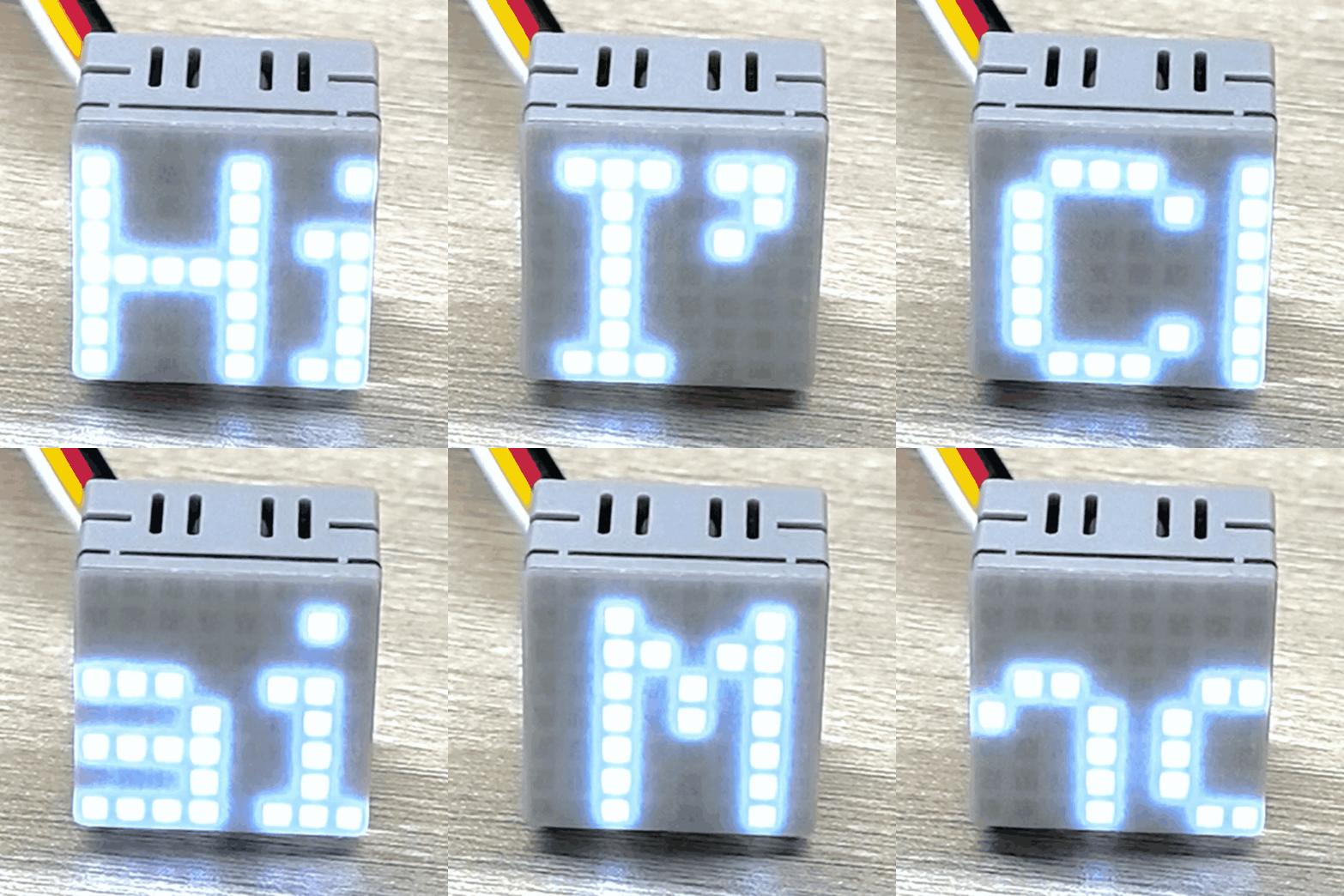
const char text[]        = "Hi I'm Chain Mono! ";

bool findFirstMonoDevice()
{
    // Enumerate devices and use the first Mono node
    uint16_t device_nums = 0;
    if (M5Chain.getDeviceNum(&device_nums) != CHAIN_OK || device_nums == 0) {
        Serial.println("No Chain devices found");
        return false;
    }

    device_info_t *infos = (device_info_t *)malloc(sizeof(device_info_t) * device_nums);
    if (infos == nullptr) {
        return false;
    }

    device_list_t devices;
    devices.count   = device_nums;
    devices.devices = infos;

    bool found = false;
    if (M5Chain.getDeviceList(&devices)) {
        for (uint8_t i = 0; i < devices.count; i++) {
            if (devices.devices[i].device_type == CHAIN_MONO_TYPE_CODE) {
                mono_id = devices.devices[i].id;
                found   = true;
                break;
            }
        }
    }

    free(infos);
    if (found) {
        Serial.printf("Mono device found, id=%d\r\n", mono_id);
    } else {
        Serial.println("No Mono device found");
    }
    return found;
}

bool prepareMono()
{
    // Switch to string scroll mode and set basic parameters
    if (!findFirstMonoDevice()) {
        return false;
    }

    if (M5Chain.setMonoMode(mono_id, MONO_STRING_SCROLL_MODE, &operation_status) != CHAIN_OK ||
        operation_status != 1) {
        return false;
    }

    M5Chain.setMonoRotation(mono_id, MONO_ROTATION_0, &operation_status);
    M5Chain.setMonoBrightness(mono_id, MONO_BRIGHTNESS_LEVEL_7, &operation_status);
    return true;
}

void setup()
{
    M5.begin();
    Serial.begin(115200);
    Serial.println("Mono string scroll demo");
    M5Chain.begin(&Serial2, 115200, RXD_PIN, TXD_PIN);

    if (!prepareMono()) {
        Serial.println("Chain Mono init failed");
        while (1) {
            delay(100);
        }
    } else {
        Serial.println("Chain Mono init success");
    }

    chain_status = M5Chain.setMonoStringScroll(mono_id, text, MONO_SCROLL_LEFT, MONO_SCROLL_MODE_LOOP, 100,
                                               &operation_status);
    if (chain_status == CHAIN_OK && operation_status == 1) {
        Serial.printf("String scroll started: %s\r\n", text);
    }
}

void loop()
{
    delay(1000);
}The example effect is as follows:
Page Tools